Women's Wellness · Educational Series

The Kitchen Habit Built Around Gelatin That Women Are Quietly Revisiting

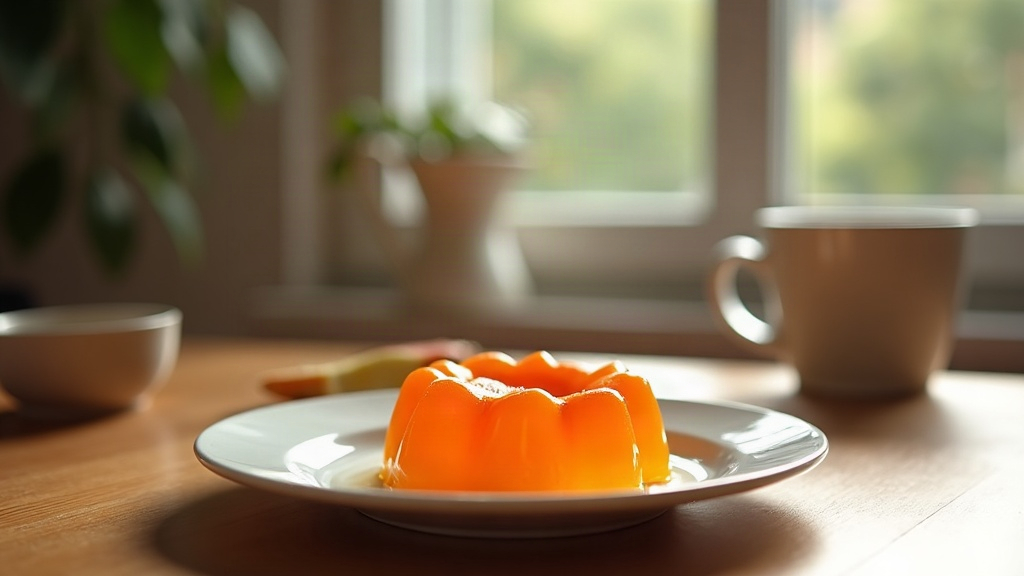
It starts with a spoon at the back of the pantry. This short educational video looks at why gelatin, a traditional kitchen staple, has re-entered conversations about collagen, fullness, and everyday routines for women.

Women's Wellness  ·  Natural Habits  ·  Educational Content  ·  Women's Wellness  ·  Natural Habits  ·  Educational Content

What Changes Quietly Over Time

A lot of what women notice day to day isn’t dramatic — it’s gradual. These are some of the shifts commonly discussed in the context of collagen, structure, and eating habits.

Collagen Naturally Declines

The body's own collagen production is known to slow over time, which is part of why ingredients like gelatin, a cooked form of collagen, come up in wellness conversations.

Fullness Feels Different

Some women notice that the sense of satisfaction after a meal shifts as they get older, prompting more attention to protein and how meals are structured.

Lean Mass Needs Attention

Maintaining muscle and lean tissue isn't automatic — it's something that tends to require more deliberate habits as the years go on.

Traditional Diet Advice Falls Short

Generic calorie-counting approaches often ignore how collagen, protein quality, and daily rhythms actually work together in the body.

Metabolism Myths vs. What's Actually Known

There’s a lot of noise around metabolism and weight. Here’s a side-by-side look at some common claims versus what’s more broadly understood.

MYTH

Metabolism is fixed and can’t be influenced by daily habits.

FACT

Metabolic rate is influenced by multiple factors including muscle mass, sleep, and activity patterns — habits do play a role.

MYTH

Any protein source is exactly the same as another.

FACT

Protein sources vary in amino acid profile; gelatin, for instance, is notably rich in glycine and proline, which differ from muscle-meat proteins.

MYTH

Feeling full is only about how much you eat.

FACT

Satiety is also linked to protein content and meal composition, not just portion size.

A Simple Way to Think About the Habit

This isn’t a program or a regimen — it’s a way some women have structured a small daily habit around gelatin as part of a broader routine.

01

Start With Awareness

Understanding what collagen and gelatin actually are is the first step, separate from any specific product or promise.

02

Look at the Daily Rhythm

Consider how meals, protein intake, and small habits fit into an already existing routine rather than replacing it.

03

Make It Repeatable

Whatever is added should be simple enough to repeat consistently — consistency tends to matter more than intensity.

A Habit With Roots in the Kitchen, Not the Lab

Long before supplement aisles existed, gelatin was a kitchen staple — simmered from bones and connective tissue to make broths, aspics, and desserts. Grandmothers didn’t call it ‘collagen,’ but the slow-cooked traditions of many cultures were built around exactly that: extracting structure from bones and cartilage, one pot at a time.

What’s often overlooked is that gelatin is simply cooked collagen — the same protein structure, made digestible through heat and time, not a modern invention.

Signs Women Often Mention Noticing

Changes in Hunger Cues

Feeling hungry again shortly after eating, or less satisfied by meals that used to feel sufficient.

Skin Feeling Less Supple

Noticing skin texture or elasticity shifting gradually, which many associate with collagen changes.

Joint Stiffness After Rest

Mild stiffness in joints after sitting for a while or first thing in the morning.

Weight Shifting Without Explanation

Weight or body composition changing slightly even when habits haven't obviously changed.

Energy Dips Mid-Afternoon

A noticeable slump in energy in the afternoon, unrelated to sleep the night before.

Nails Becoming More Brittle

Nails chipping or breaking more easily than they used to.

What Some Women Have Shared

I hadn't thought about gelatin since I was a kid. Reading about the collagen connection made me look at my own kitchen habits differently.

Renata M.
Illustrative account
What stood out to me was how simple the idea was — no complicated plan, just paying attention to one ingredient I already had at home.
Beatriz S.
Illustrative account
I appreciated that the video didn't promise anything dramatic. It just explained the 'why' behind something my grandmother used to make.
Marisol T.
Illustrative account

Testimonials reflect individual opinions and experiences. Individual results may vary, and these statements are not a guarantee of any specific outcome.

Frequently Asked Questions

Gelatin is a protein derived from collagen, typically produced by simmering animal bones, skin, or connective tissue until the collagen breaks down into a gel-forming substance.

Hydrolyzed gelatin refers to gelatin that has been further broken down into smaller protein fragments, which some sources note dissolves more easily in liquids compared to traditional gelatin.

They come from the same source protein, but gelatin is typically cooked and forms a gel, while some collagen supplements are processed differently and may not gel at all.

The video is educational in nature and focuses on explaining the traditional use and general background of gelatin as an ingredient.

No — the content is intended for any woman interested in learning more about collagen, protein, and traditional kitchen ingredients, regardless of age.

No. The video presents information as a complement to existing habits, not a replacement for a balanced diet, physical activity, or medical guidance.

The video itself walks through the background and context in more detail — it’s the best starting point for a full explanation.

Curious How This Connects to Your Own Routine?

Watch the short educational video to see the full context behind gelatin, collagen, and the everyday habits many women are revisiting.

Advertising Disclosure: This page contains sponsored content and affiliate links. We may receive compensation if you click a link or make a purchase through links on this page. This helps support the operation of this site at no additional cost to you.

Content Disclaimer: This content is provided for educational and informational purposes only. It has not been evaluated by the FDA and is not intended to diagnose, treat, cure, or prevent any disease or health condition. Always consult a qualified healthcare professional before making changes to your diet, supplement routine, or lifestyle.

Results Disclaimer: Individual results may vary. Any testimonials or experiences shared on this page reflect personal opinions and are not a guarantee of similar results for any other individual.

© 2026 · All Rights Reserved · /contact/